Biometric Access Control: Is Facial Recognition Right for You?

Wired
Biometric access control uses unique physical characteristics like fingerprints, facial features, iris patterns, or hand geometry to verify identity and grant building access, replacing traditional keycards or PIN codes with authentication methods people can't lose, forget, or share. Facial recognition specifically uses cameras and AI algorithms to identify authorized individuals by analyzing facial features, allowing touchless, hands-free access that's convenient and hygienic. Whether facial recognition is right for your Albuquerque facility depends on your security requirements, budget, privacy considerations, and how many people need access daily.
Biometric access control eliminates common security problems with traditional methods. Employees can't share biometric credentials like they share keycards. Nobody can steal your fingerprint or face the way they steal access cards.
How Biometric Access Control Works
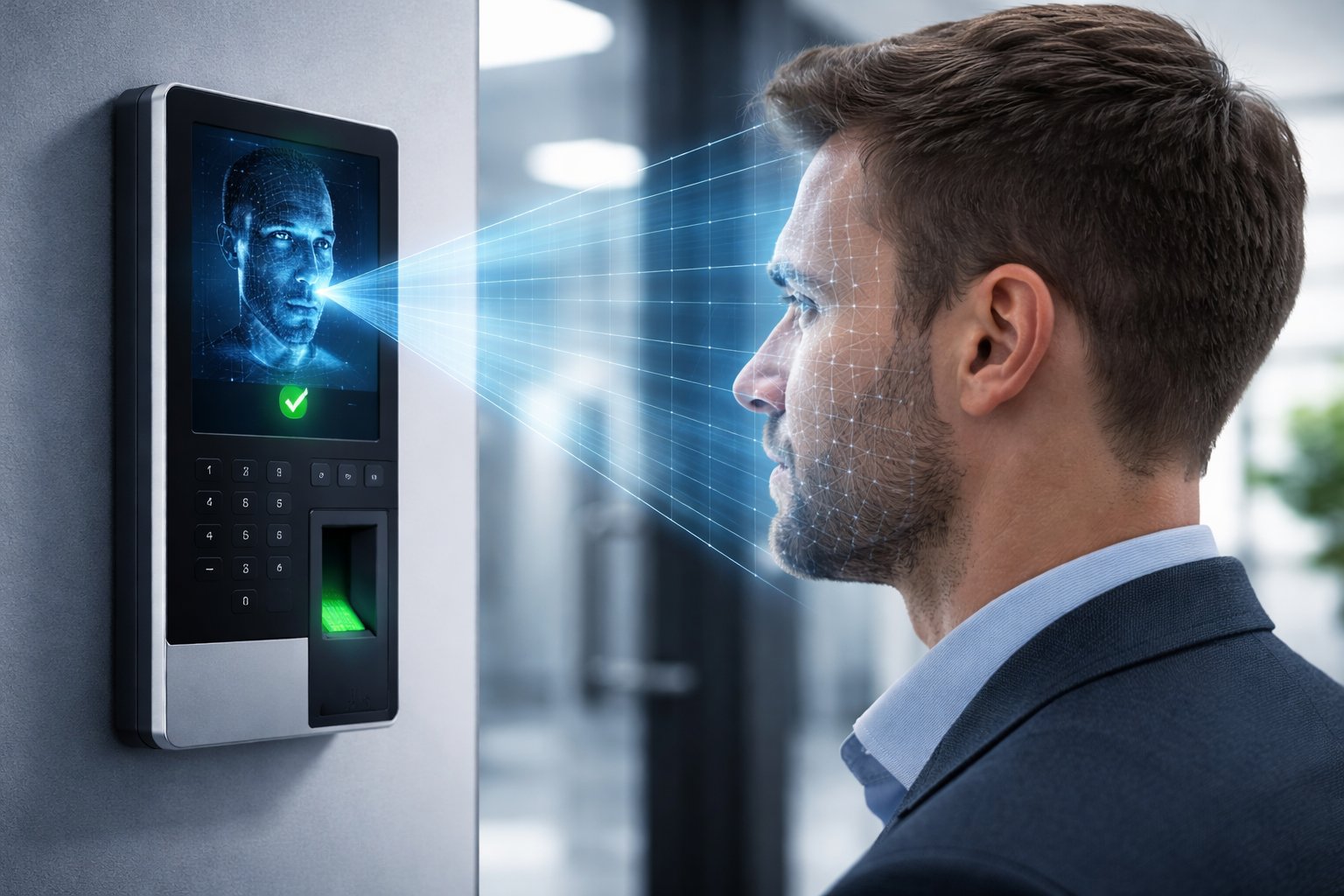
Biometric systems identify people by measuring unique physical characteristics that remain constant throughout life. The system captures biometric data during enrollment, converts it to a digital template, and stores it in a secure database.
When someone requests access, the system captures their biometric data again and compares it to stored templates. If the system finds a match, it grants access. This process happens in seconds, creating seamless entry for authorized individuals.
Most modern biometric systems avoid storing actual images of fingerprints or faces. Instead, they convert biometric data into encrypted mathematical representations that are extremely difficult to reverse-engineer. This protects privacy while enabling accurate identification.
Types of Biometric Access Control
Fingerprint Recognition
Fingerprint scanners are the most common biometric access control method. Users place their finger on a scanner that reads unique ridge patterns. Fingerprint systems are affordable, accurate, and widely accepted.
However, fingerprint readers require physical contact, which some users find unhygienic. Dirty or damaged fingers can also cause recognition failures.
Facial Recognition
Facial recognition cameras analyze unique facial features—distance between eyes, nose shape, jawline, and dozens of other measurements. Users simply look at the camera to gain access without touching anything.
Modern facial recognition works in various lighting conditions, with glasses, and even with minor appearance changes. The technology has improved dramatically, offering accuracy comparable to fingerprint systems.
Iris Recognition
Iris scanners photograph the colored ring around your pupil, which contains unique patterns. Iris recognition offers extremely high accuracy but requires users to position their eyes precisely near the scanner.
The technology costs more than fingerprint or facial recognition and works slower, making it better for high-security applications rather than high-traffic facilities.
Hand Geometry
Hand geometry readers measure the size and shape of your hand. These systems are less accurate than fingerprint or facial recognition but work well in harsh environments where other methods fail.
Manufacturing facilities and construction sites sometimes use hand geometry because the technology tolerates dirty hands and rough conditions.
For Albuquerque businesses considering biometric systems, professional access control installation from Wired NM ensures proper integration with your existing security systems and user enrollment processes.
Advantages of Facial Recognition Access Control
Completely Touchless Access
Facial recognition requires no physical contact with readers or keypads. Users walk up to the entry point, and the system identifies them automatically. This touchless operation appeals to facilities prioritizing hygiene.
Post-pandemic, many organizations prefer contactless technologies that reduce surface transmission risks.
Hands-Free Convenience
Users with their hands full—carrying boxes, pushing carts, or holding equipment—can still gain access through facial recognition. The system works without requiring users to set down items or fumble for access cards.
This convenience improves traffic flow at entry points, particularly during shift changes when many people arrive simultaneously.
Impossible to Share or Transfer
Unlike keycards that employees can lend to others or PINs they can share, facial recognition credentials can't be transferred. Only the authorized person can use their face to gain access.
This eliminates common security problems where employees let unauthorized people into secured areas using their credentials.
Integration with Video Surveillance
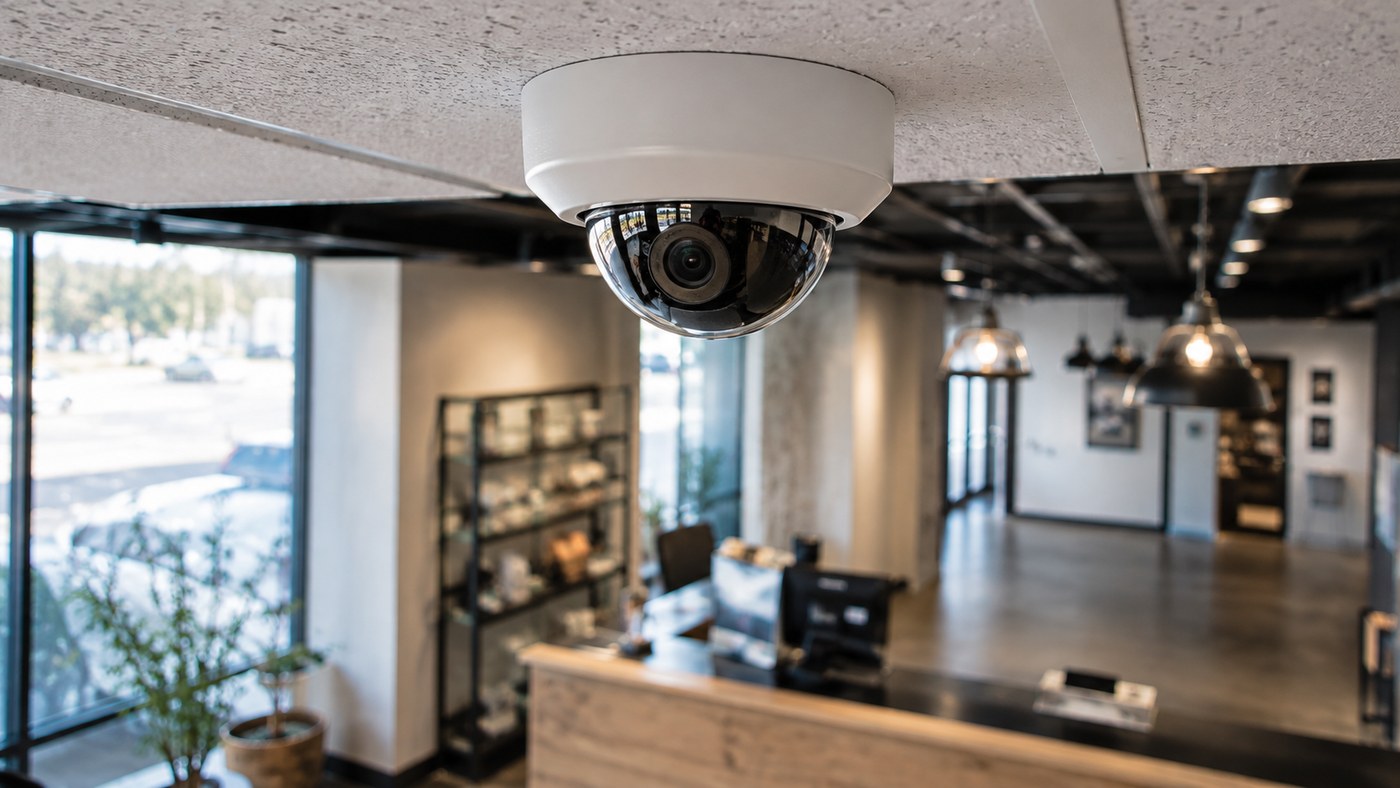
Facial recognition access control integrates seamlessly with security cameras. The same camera hardware serves dual purposes—granting access and recording who entered when. This integration reduces equipment costs and creates comprehensive security documentation. Wired NM installs and configures Verkada camera systems that work alongside access control, giving you one dashboard to monitor entry points, review footage, and manage permissions across your entire Albuquerque facility.
Concerns About Facial Recognition
Privacy Considerations
Facial recognition raises privacy concerns that other biometric methods don't. People can't hide their faces the way they avoid touching fingerprint readers. Cameras can potentially identify people without their knowledge.
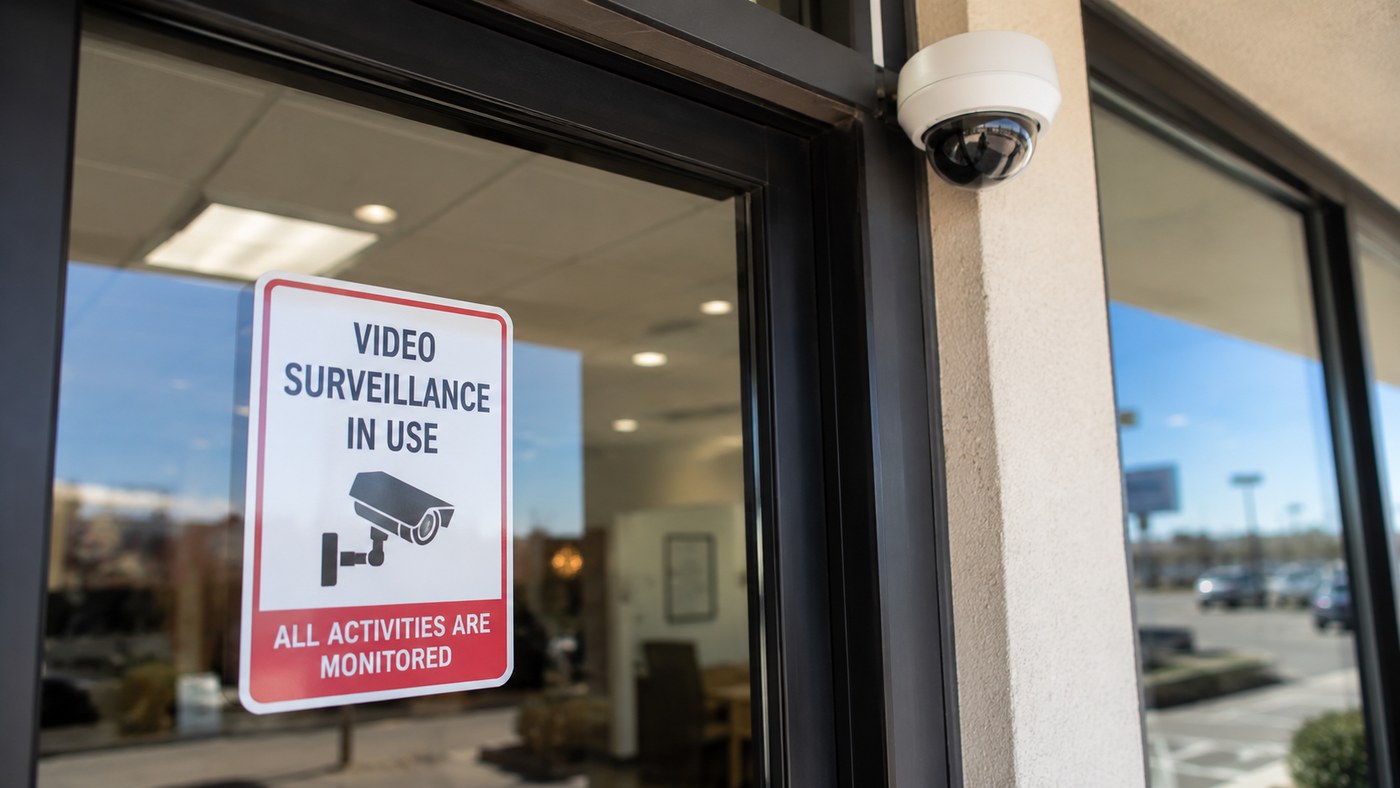
Organizations implementing facial recognition must clearly communicate its use to employees and visitors. Transparency about data collection, storage, and access addresses privacy concerns proactively.
Accuracy with Diverse Populations
Earlier facial recognition systems showed accuracy problems with certain demographic groups. Modern systems have improved significantly, but organizations should test systems thoroughly with their actual user population.
Reputable manufacturers provide accuracy data across different demographics.
Legal and Regulatory Compliance
Some states and cities have passed laws regulating facial recognition use. Illinois requires written consent before collecting biometric data. Some municipalities have banned government use of facial recognition entirely.
According to the National Conference of State Legislatures, biometric privacy laws vary significantly by state, making legal compliance research essential before implementation.
Cost Considerations
Facial recognition systems typically cost more than fingerprint readers or keycard systems. High-quality cameras, powerful processing hardware, and sophisticated software create higher upfront investment.
However, the technology eliminates ongoing costs for cards and card replacement. For large facilities with hundreds of employees, these savings can offset higher initial costs.
When Facial Recognition Makes Sense
Consider facial recognition if your facility has:
- High-security requirements - Government facilities, data centers, and research labs benefit from credentials that can't be shared
- Large user populations - Facilities with hundreds or thousands of employees appreciate elimination of card management
- Hygiene priorities - Healthcare facilities and food processing plants value touchless access
- Users with full hands - Warehouses and manufacturing facilities benefit from hands-free access
- Multiple entry points - One camera can monitor multiple access points cost-effectively
When to Choose Alternative Biometric Methods
Facial recognition isn't always the best choice:
- Small facilities - Organizations with 10-20 employees often find fingerprint readers more cost-effective
- Budget constraints - Fingerprint systems deliver biometric security at lower cost
- Privacy concerns - Some organizations prefer fingerprint readers that users control by choosing to touch
- Harsh outdoor environments - Extreme weather might challenge facial recognition cameras
Implementation Best Practices
Successful facial recognition deployment requires:
Clear Communication: Explain to employees why you're implementing facial recognition, what data you're collecting, and how it's protected. Transparency builds acceptance.
Thorough Testing: Pilot the system with diverse employee groups before full deployment. Ensure accuracy meets requirements across your actual user population.
Backup Access Methods: Always include alternative access for system failures or users the system can't recognize. PIN codes or mobile credentials provide necessary backups.
Secure Biometric Data: Encrypt biometric templates, limit database access, and implement strict data protection policies.
Choose the Right Biometric Solution
Biometric access control offers significant security advantages over traditional keycards and PINs. Facial recognition specifically provides touchless, hands-free convenience that many modern facilities value.
However, facial recognition isn't universally the best choice. Organizations must weigh security benefits against costs, privacy concerns, and user acceptance. Some facilities find fingerprint readers or hybrid systems better match their needs.
Professional consultation helps evaluate whether facial recognition fits your specific security requirements, user population, and budget constraints. Expert installers ensure proper camera placement and system configuration for optimal performance.
Ready to explore biometric access control options for your Albuquerque facility? Contact Wired NM today to discuss whether facial recognition or alternative biometric technologies best protect your business while providing convenient access for authorized personnel.