Can a Security Camera Really Read License Plates?

Wired
Quick Answer: Yes, a security camera can read license plates, and the technology is called license plate recognition, or LPR. These cameras use infrared light and AI software to automatically read every plate that passes, log it, and alert you when a flagged vehicle shows up. You have probably seen them going up everywhere lately, in neighborhoods, business parks, and parking lots, and there is a real reason for that.
You may have noticed small cameras on tall poles appearing at neighborhood entrances, business parks, school lots, and shopping centers over the last couple of years. Most of them are doing something called license plate recognition, or LPR. So what is license plate recognition on a security camera, and why is it suddenly everywhere? Wired installs commercial LPR systems for Albuquerque and New Mexico businesses, and we want to walk you through what these cameras really do, how the technology works, and why it has gone from a federal-government tool to something popping up around the corner from your office.
Why Are License Plate Cameras Suddenly Everywhere?
License plate cameras are suddenly everywhere because the technology got smaller, cheaper, and easier to run. A decade ago, LPR meant expensive hardware mostly used by toll roads and police departments. Today, a solar-powered camera the size of a shoebox can read plates around the clock and stream them to the cloud, which means HOAs, schools, churches, and small businesses can finally afford a tool that used to belong to big agencies.
Rising property crime pushed adoption too. Communities tired of unsolved break-ins started looking for evidence that actually helps police, and a license plate is one of the few pieces of objective, searchable proof you can hand over. So the cameras spread, fast.
What Is License Plate Recognition on a Security Camera?
License plate recognition on a security camera is technology that automatically reads vehicle plates and turns them into searchable text. Most people call it LPR for short. Some places use the term ALPR, for Automatic License Plate Recognition, or ANPR overseas. Same job, different acronyms.
The key difference from a regular camera is what happens after the image is captured. A standard camera records video. An LPR camera reads the plate, logs it, checks it against a watchlist, and can alert you in real time. That is the leap that changes how security works.
How Does License Plate Recognition Work?
License plate recognition works in four steps, and the whole process takes a fraction of a second. Each step is built around one job, reading the plate accurately no matter what conditions the camera faces.
- Image capture. The camera uses infrared light to illuminate the plate and cut through glare from headlights, sunlight, or weather. That is why LPR works at night and in bad conditions where regular cameras struggle.
- Character reading. Software called OCR, short for optical character recognition, turns the picture of the plate into actual letters and numbers.
- Database check. The system logs the plate with time, date, and location, then compares it to your watchlists or any flagged vehicles.
- Alert and log. Every plate gets stored, and any match sends an instant notification to your team.
What Can an LPR Camera Do for a New Mexico Business?
An LPR camera gives a New Mexico business proactive evidence, not just video to review after the fact. That is the real shift. For Albuquerque businesses dealing with property crime, vandalism, and repeat trespassers, LPR is what finally turns your cameras from a recorder into a tool.
A few of the highest-value jobs LPR handles every day:
- Catching repeat offenders. If the same truck keeps cruising the lot the night before a theft, the system flags it.
- Hands-free gated entry. Approved plates open the gate. Unknown plates trigger an alert.
- Parking lot crime evidence. Smash-and-grabs leave a plate behind for police, not just a hooded shadow.
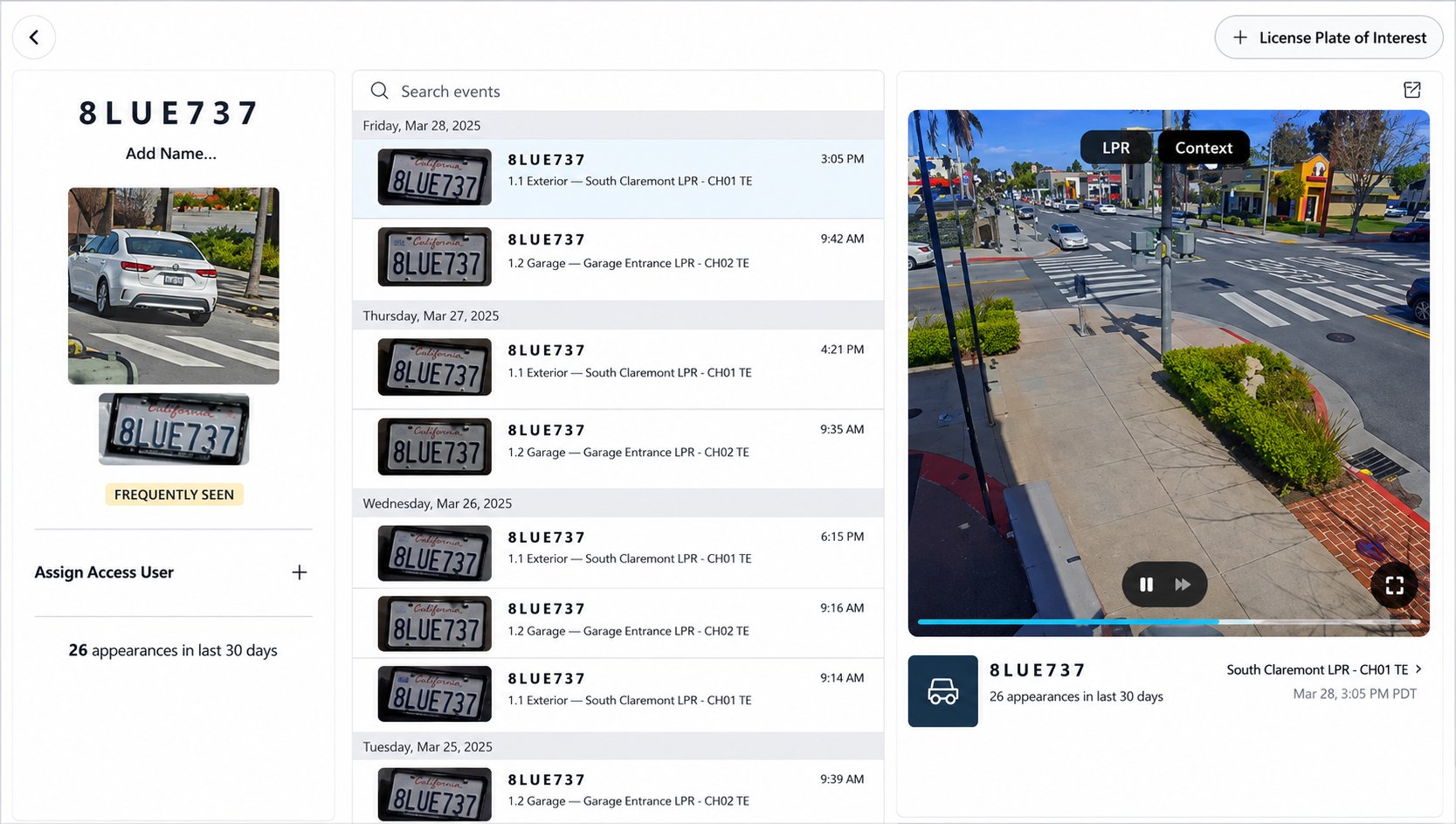
- Fast investigations. Search by plate, not by scrubbing hours of video. A 4-hour review becomes a 4-second search.
- Watchlist alerts. Add a former employee, a known shoplifter, or a stolen-vehicle list, and you know the second they arrive.
How Is an LPR Camera Different From a Regular Security Camera?
LPR cameras are built for one job, reading plates fast, and they are tuned completely differently from a regular camera. A standard commercial security camera tries to cover a whole room or parking lot. An LPR camera focuses on a narrow lane where vehicles pass, with infrared light, a faster shutter, and software trained on plates.
That is exactly why a smart system uses both. Regular cameras give you the big picture, and the LPR camera locks in the one piece of evidence that identifies the vehicle. We design systems that combine the two for the best coverage and the cleanest evidence.
Do LPR Cameras Work at Night and in Bad Weather?
Yes, and this is one of the best parts. Built-in infrared lighting reads plates clearly in total darkness, which is when most break-ins happen. Snow, rain, and harsh sun also get handled because the infrared light bounces straight off the reflective coating on the plate, cutting through glare and weather.
The real limits are speed, angle, and damaged plates. A well-placed camera at the right distance reads almost every plate that passes. A poorly placed one misses constantly, which is why local installation matters so much.
The Verkada LPR Camera, Built for Real Businesses
This is where we get genuinely excited. Wired installs Verkada LPR cameras at most of our New Mexico sites, and the platform is one of the cleanest we have ever deployed. Here is what sets it apart for a business owner:
- One dashboard runs everything. Cameras, LPR, alarms, access control, and sensors live in the same cloud platform your team checks from a phone.
- You own your data. Plate logs and video stay with you. Sharing with anyone is your choice.
- NDAA compliant. If you contract with the government or take federal funds, Verkada meets Section 889.
- Search in seconds. Type a plate, get every appearance on your property, instantly.
- Built-in watchlists. Flag a plate and the system pings your team the moment it returns.
It is a serious commercial-grade tool that a non-technical user can run. That combination is rare, and it is why we lean on Verkada for businesses that want power without a learning curve.
Where Do New Mexico Businesses Use LPR the Most?
New Mexico businesses use LPR cameras wherever vehicles enter, exit, or park near valuable property. In Albuquerque alone, the spots we see LPR earning its keep:
- Car dealerships protecting inventory lots overnight.
- Warehouses and distribution sites tracking trucks in and out.
- Self-storage facilities verifying every plate at the gate.
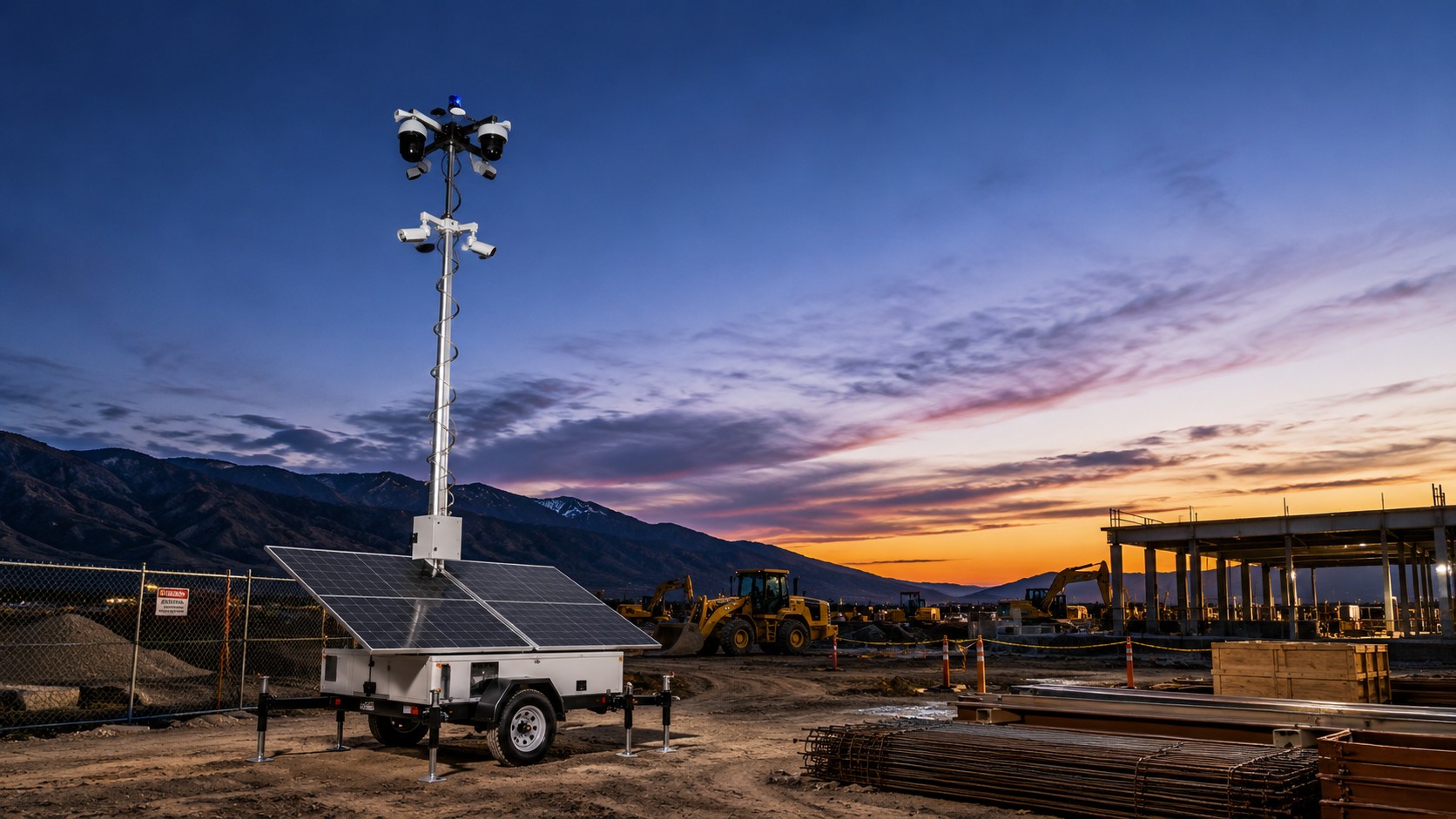
- Construction sites dealing with copper theft and trespassing after hours.
- Office parks and apartment complexes controlling who enters which lot.
- Cannabis dispensaries meeting strict security rules.
What Does an LPR Camera Cost?
LPR camera cost depends on how many cameras you need, the lane width, vehicle speed, and whether you tie it into a cloud platform. A single LPR camera at a small business entrance starts in the low thousands installed. Larger sites with multiple gates and integrated software run higher.
The system often pays for itself fast. One prevented break-in, a recovered vehicle, a lower insurance claim, or a single arrest from solid plate evidence can offset the install. We design to your budget and price it up front, so there are no surprises.
Common Questions About LPR Cameras
How accurate is license plate recognition?
Quality commercial LPR reads plates accurately at normal speeds and angles. Placement is the biggest factor, which is why we walk every site before quoting.
Is LPR legal for a business in New Mexico?
For most commercial uses on your own property, yes. Privacy rules vary, so check with your attorney for your specific case.
Can I add LPR to my existing camera system?
Often yes, especially if your current platform supports integration. We can assess your setup and tell you whether to add LPR cameras or upgrade to a unified Verkada system.
Will an LPR camera read every plate that passes?
A well-placed LPR camera catches the vast majority. The ones it misses are usually because of angle, speed, or a covered plate.
Does LPR work with my access control or alarm system?
Yes, especially on a unified platform like Verkada. Your LPR can open a gate, trigger an alarm, or notify staff, all from the same dashboard.
Why Albuquerque Businesses Trust Wired
Albuquerque businesses trust us because we have protected New Mexico properties since 2005, and we install LPR as part of a complete system, not as a one-off product. We are Verkada certified, locally licensed, and we know exactly where LPR pays off in our city, from parking lots and warehouses to gated entries and construction yards.
You get a local team that walks your property, designs the LPR layout, installs it without disrupting your business, and trains your staff. Then we stay on call.
Get a Free LPR Camera Quote
Curious what license plate recognition could catch on your property? Let us take a look. We will walk your site, show you exactly where an LPR camera pays off and where a standard camera is enough, and give you a free quote on a system built around your real risks and budget. There is no pressure and no jargon. Request your free security assessment, and we will help you turn your cameras into real evidence.