What Security Cameras Are NDAA Compliant?

Wired
Quick Answer: NDAA-compliant security cameras are cameras that contain no equipment or components from the manufacturers banned under Section 889 of the law, mainly Hikvision and Dahua. Compliant brands include Verkada, Axis, Avigilon, Bosch, Hanwha, and Pelco. If your organization takes federal funding or contracts with the government, you must use them, so it pays to verify before you buy.
What security cameras are NDAA compliant? In short, they are commercial security cameras built without any parts from the manufacturers the federal government banned under Section 889, chiefly the Chinese brands Hikvision and Dahua. Trusted compliant lines include Verkada, Axis, Avigilon, Bosch, Hanwha, and Pelco. Wired handles NDAA-compliant security camera installation for Albuquerque government agencies, schools, and healthcare sites, so we will explain the rule clearly, show you which brands qualify, and walk you through how to check a camera before you trust it.
What Security Cameras Are NDAA Compliant?
A security camera is NDAA compliant when it contains no equipment or components from the manufacturers named in Section 889 of the law. That means no Hikvision, Dahua, Huawei, ZTE, or Hytera hardware anywhere inside it. Several respected brands build full compliant lines, so you have plenty of strong options.
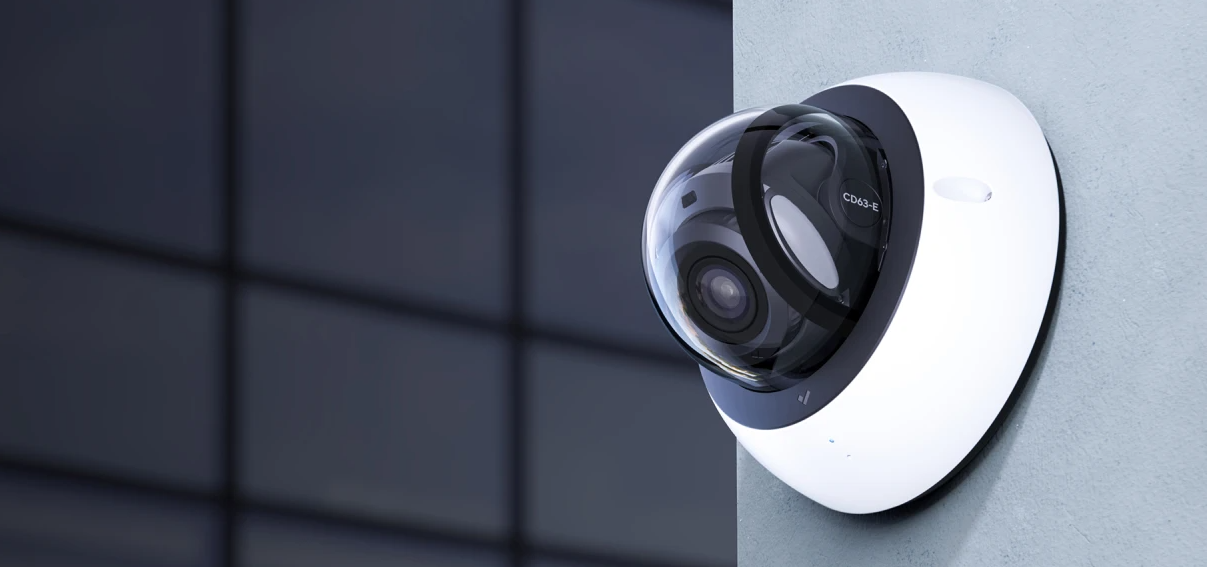
Common NDAA-compliant manufacturers include Verkada, Axis, Avigilon, Bosch, Hanwha, and Pelco. Wired installs and is certified on Verkada, which markets its cameras and sensors as Section 889 compliant. These brands also tend to offer better cybersecurity and longer support, so compliance often comes with real quality gains.
What Is NDAA Section 889, in Plain English?
Section 889 is the part of a 2019 federal law that bans certain Chinese surveillance gear from government use. It comes from the John S. McCain National Defense Authorization Act for fiscal year 2019. The goal is to keep equipment with possible security risks out of sensitive networks.
The rule has two parts, and you can read the official policy on the government's Section 889 page. Part A stops the federal government from buying covered gear, and Part B stops agencies from working with companies that use it. The law names China as the covered country, and it targets specific manufacturers by name.
Which Security Cameras Are Banned Under the NDAA?
The NDAA bans cameras and gear from five named companies: Huawei, ZTE, Hytera, Hikvision, and Dahua, along with their subsidiaries and affiliates. For video surveillance, Hikvision and Dahua are the two that matter most, because they make a huge share of the world's cameras.
Here is the trap that catches many buyers. Hikvision and Dahua also build cameras that other companies rebrand and sell under different names. So a camera with an unfamiliar brand on the box can still hide banned parts inside. Because of that, you cannot judge compliance by the label alone, and you have to check the actual manufacturer and components.
Does NDAA Compliance Apply to You?
NDAA compliance applies to you if your organization is a federal agency, takes federal funds, or contracts with the government. That sweeps in a lot of New Mexico operations, including public schools, universities, healthcare systems, and any business chasing government work. If federal money touches your budget, the rule likely reaches your cameras.
Even private companies and homeowners benefit from compliant gear, though. Banned cameras have a history of cybersecurity holes, so compliant brands simply give you safer, more reliable business security cameras. When in doubt, treat compliance as the smart default.
NDAA vs TAA: What Is the Difference?
NDAA and TAA are two separate rules that government buyers often confuse. NDAA Section 889 bans specific manufacturers for national security reasons. TAA, the Trade Agreements Act, instead requires that products come from the United States or an approved country.
The difference matters because a camera can pass one rule and fail the other. For example, a camera might be NDAA compliant yet still fail TAA if it ships from a country not on the approved list. Many federal projects require both, so always confirm which rules your contract demands.
How Do You Verify a Camera Is NDAA Compliant?
You verify NDAA compliance by checking the manufacturer's documentation and the parts inside the camera, because no government agency issues an official "NDAA certified" stamp. Manufacturers self-attest, so the burden falls on you to confirm. A few steps make this reliable:
- Read the manufacturer's compliance statement and look for a clear Section 889 declaration.
- Check the OEM and components, since a clean-looking brand can still use banned chips or boards.
- Look up the vendor's 889 representation in SAM.gov, the federal contracting system.
- Ask your commercial security camera installer to run a full audit of your site.
Compliant systems do not have to cost more, either. A good integrator prices the right option for your site and documents the compliance work, which protects you if an auditor ever asks.
Common Questions About NDAA-Compliant Cameras
Do I have to replace my Hikvision or Dahua cameras?
If you take federal funds or contract with the government, then yes, you should replace them. Keeping banned gear can cost you contracts or funding.
Is Verkada NDAA compliant?
Yes. Verkada markets its cameras and sensors as Section 889 compliant, and we install them across New Mexico.
How much do NDAA-compliant cameras cost?
Pricing depends on your camera count, site layout, and features. We design the right system for your budget and give you a clear quote up front.
Does NDAA compliant mean the camera is certified?
No. There is no official certification, so manufacturers self-declare and you verify their documentation.
Does the rule cover more than cameras?
Yes. It also covers other networked devices, including access control systems, so a full review should include them.
Why Albuquerque Organizations Trust Wired
Albuquerque organizations trust us because we have secured local sites since 2005, and we know the compliance rules that government, school, and healthcare buyers must meet. We are Verkada certified, locally licensed, and we serve the exact verticals that Section 889 affects most. You get a local team that designs, installs, and documents a compliant commercial security camera system, then stays on call.
We also handle the hard part, the audit. We check every camera, recorder, and networked device on your site, flag anything banned, and replace it with a compliant option that fits your budget.
Get a Free NDAA Compliance Check
Not sure whether your cameras meet NDAA rules? Let us check. We will audit your system, show you honestly what complies and what has to go, and give you a free quote on a compliant setup built around your real needs. There is no pressure and no jargon. You get straight answers from a local team that has protected Albuquerque organizations for two decades. Request your free security assessment, and we will make sure your cameras pass.