
Can Someone Legally Fly a Drone Over Your Business Property?

Wired
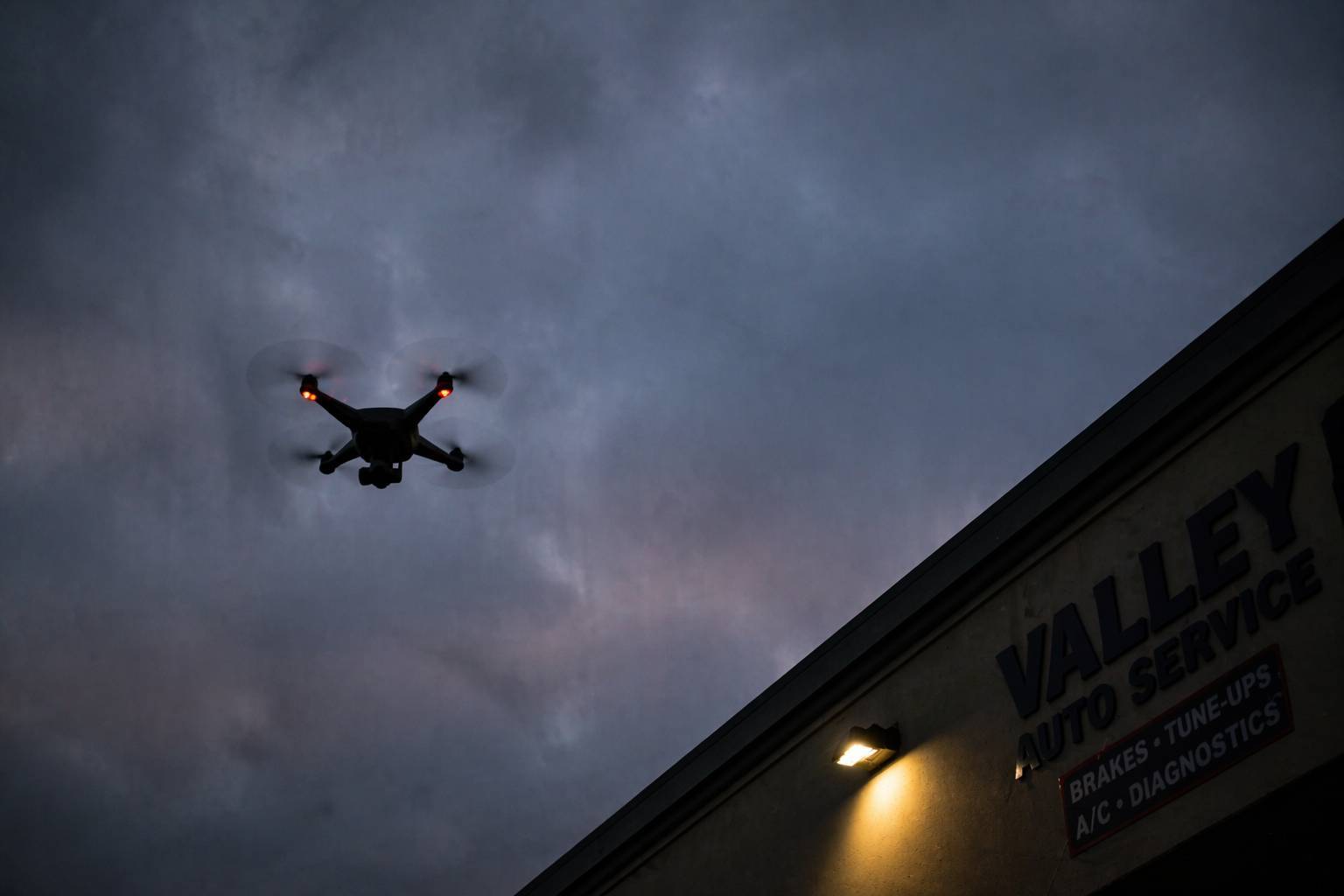
A drone over business property is a legal gray area. Federal law mostly allows the flight. New Mexico has tried four times to pass a drone privacy law and has not passed one yet, so what happens on the ground depends on older state statutes and federal rules. The FAA controls U.S. airspace, which means you do not own the sky above your land and cannot stop a drone from flying over. But you still have options the moment a drone starts recording your building, your people, or your lot. This post walks through what is legal, what crosses the line, and what you can do about it as of September 2026.
Updated September 2026 to reflect the 2026 New Mexico legislative session and the FAA's pending Part 108 rule.
Who Actually Controls the Airspace Over Your Business?
Here is the legal foundation, in plain terms:
- The FAA controls the airspace. Not you, not the city, not the county. All aircraft, including drones, fall under federal airspace rules.
- Property owners do not own the sky. You own the ground and a limited airspace directly above it for your own reasonable use. Beyond that, it is public airspace.
- States can regulate privacy, not flight. This is the key exception. States cannot tell drones where to fly, but they can regulate what a drone operator does once they are flying.
That is why a drone over business property can be legal from the FAA's view and still expose the operator to state charges or a civil suit at the same time. It is a real legal gray zone that catches business owners off guard constantly.
What a Drone Operator Is Legally Required to Do
Before a commercial drone ever takes off, the operator is supposed to meet several FAA rules:
- Register the drone with the FAA if it weighs more than 0.55 pounds.
- Hold a Part 107 Remote Pilot certificate for commercial flights.
- Broadcast Remote ID, a digital license plate that identifies the drone and its operator in real time.
- Stay under 400 feet, within line of sight, and avoid people and moving vehicles unless they have a waiver.
- Avoid restricted airspace near airports, military bases, and other no-fly zones.
What is changing in 2026: The FAA's proposed Part 108 rule would let approved operators fly beyond visual line of sight without a case-by-case waiver. The final rule went to the White House regulatory review office on July 10, 2026 and had not been published as of this update. Part 107 stays in place for everyone else. Once Part 108 takes effect, more drones over commercial areas will be flown by operators who are nowhere near the property. That changes how you identify a pilot, which is covered below.
If you see a drone over your property and suspect it is being operated illegally, the FAA's own unmanned aircraft guidance walks through how to report it and what information matters. The Remote ID broadcast alone is often enough to identify the operator if law enforcement shows up quickly enough.
What New Mexico Law Says About a Drone Over Business Property
Here is the part most online guides get wrong. New Mexico does not have a drone-specific privacy law on the books. The state legislature has tried at least four times and failed each time. Senate Bill 556, the Freedom from Unwarranted Surveillance Act, was postponed indefinitely in committee in 2013. The same bill came back as Senate Bill 167 in 2017 and died again. House Bill 69 in 2021 would have created a civil aerial trespass claim but never reached a floor vote. The most recent try, Senate Bill 136 in 2026, would have made drone surveillance of a person or private property a misdemeanor, with felony charges for flights that interfere with critical infrastructure. The Senate postponed it indefinitely on January 29, 2026.
SB 136 had real backing. The New Mexico Organized Crime Commission showed lawmakers video of a cartel drone dropping explosives on a law enforcement convoy, and the Bernalillo County District Attorney supported the bill. Expect a version of it to return in a future session. You can follow the bill history on the New Mexico Legislature website.
So what protects your business today? Existing statutes that were not written for drones but still apply:
- Voyeurism (NMSA 30-9-20). Using any device to record a person's intimate areas without consent in a place where they expect privacy. Narrow, but it covers the worst cases.
- Harassment and stalking. Repeated flights that target specific employees or customers can fall under these statutes.
- Criminal trespass. Applies if the operator enters your property without permission to launch, land, or retrieve the drone.
- Civil claims. Invasion of privacy, nuisance, and trespass claims are available in civil court and do not need a drone-specific statute.
In short: a hobbyist flying over your parking lot to film the landscape is almost certainly fine. An operator who hovers to record your loading dock, follows your staff, or peers into your windows may still be breaking the law. The charge just will not say "drone" on it.
What Is Legal vs. What Is Not
The line gets fuzzy fast, so here it is broken down:
Generally legal:
- Flying a properly registered drone over a commercial area at legal altitude
- Taking wide aerial photos that do not zoom in on specific people or identifiable private activity
- Mapping, real estate, or commercial photography with permission from the property owner
- News and journalism covering events in public view
Likely to break federal or New Mexico law:
- Recording people in restrooms, locker rooms, or other private areas
- Following employees, customers, or vehicles as a repeated pattern
- Flying close enough to create a nuisance, harass, or intimidate
- Entering your property to launch, land, or retrieve the drone without permission
- Commercial flight without a Part 107 certificate
- Flying in restricted airspace or without Remote ID
What you cannot legally do in response is shoot the drone down. Drones are classified as aircraft under federal law, and interfering with one can carry criminal penalties far worse than whatever the drone operator did. Report it, document it, and let the authorities handle it.
What to Do if a Drone Is Surveilling Your Business Property
If you think a drone over business property is surveilling you, here is the sequence that works:
- Document everything. Record the drone on your own security cameras. Note the date, time, duration, altitude, and behavior. If it hovers, note that. If it follows a pattern, note that too.
- Check for Remote ID. Use a Remote ID receiver app to try to identify the drone and operator in real time.
- Look for the pilot. Under Part 107 rules, the operator must keep the drone in sight. That usually means they are nearby, often in a parked car or adjacent public area. Once Part 108 takes effect, approved operators may be miles away, which makes your own footage and Remote ID data even more important.
- Call local law enforcement first. Not the FAA. Local police are the ones who can respond to an active incident.
- Report to the FAA afterward. For federal violations, the FAA has dedicated reporting channels, but they are not a first-response resource.
- Preserve your own footage. Your security cameras are your strongest piece of evidence, both that the drone was there and that you took the incident seriously.
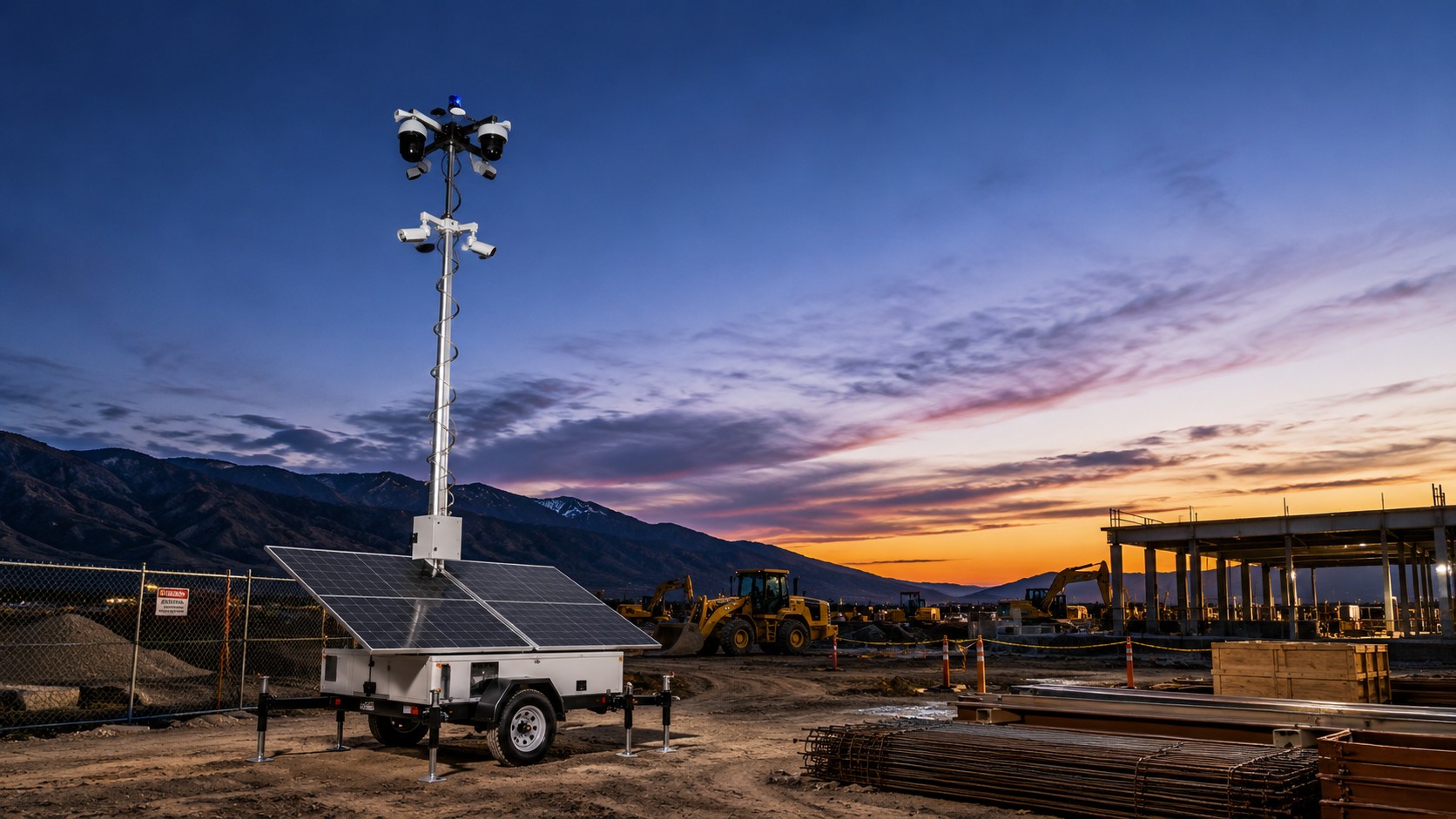
This is one reason why commercial security cameras with good exterior coverage matter so much. Properties with clear footage of the drone, the time, and any nearby vehicles make law enforcement's job dramatically easier and make a civil case against the operator far stronger.
How Good Security Design Makes the Legal Questions Easier
The law only helps if you have evidence. Most businesses find out they cannot prove anything after a drone incident. The footage was grainy, the cameras were pointed the wrong way, or the system was not saving video that high in the sky.
A well-designed commercial security system helps on three fronts:
- Cameras pointed up as well as out. Most commercial camera installs focus on doors and parking lots. Adding wider sky coverage is cheap insurance against aerial incidents.
- Cloud-backed footage. If an intruder, drone-assisted or not, targets your recorder, cloud backup is what keeps the evidence alive.
- Integrated alarm monitoring. Real-time alerts on unusual activity, like repeated hovering or approaches from uncommon angles, make the system proactive instead of reactive. Professional alarm monitoring ties everything together.
None of this stops a drone on its own. But it dramatically shortens the distance between "something happened" and "we have proof and a case."
Could the Drone Overhead Right Now Be Watching You?
Most drone flights over a business are harmless: real estate, mapping, landscape photography, hobbyist flights. Some are not. And when the bad ones happen, the difference between shrugging it off and doing something about it usually comes down to two things: knowing your rights, and having a security system that captures what matters.
Wired designs and installs commercial security systems across Albuquerque, Santa Fe, Rio Rancho, and the surrounding region. We build systems that cover every angle, literally, and keep your footage accessible and usable the moment you need it. Whether that is after a break-in, a liability incident, or a drone hovering over your lot a little too long, the system only helps if the footage is there. Our commercial security solutions are built for the realities of operating in New Mexico today.
Want to know if your cameras would catch a drone flying over your property right now? Contact Wired today for a free on-site walkthrough. We will show you exactly what your system sees and what it does not.
This article is general information only, not legal advice. Drone rules change often at both the state and federal level. For specific legal questions about drone surveillance or your rights under New Mexico law, consult a licensed New Mexico attorney.