Your Business Fence Isn't a Security System — Here's What's Missing

Wired
Quick Answer: A fence marks your property boundary, but it does not protect it. The most common perimeter security vulnerabilities in business properties come from relying on a fence alone, without cameras, access control, or alarm monitoring to back it up. A truly secure perimeter uses multiple layers working together.
Perimeter security vulnerabilities in business properties are more common than most owners realize — and a fence is usually at the center of the problem. Most New Mexico businesses with a fence feel protected. However, a fence without supporting technology is just a delay tactic. A determined intruder does not need much time or effort to go over, under, or around it. What stops crime is what happens after the fence line is crossed.
New Mexico consistently ranks among the highest states in the country for property crime. Businesses in Albuquerque, Rio Rancho, and Santa Fe face real and persistent threats. The difference between a business that gets hit and one that doesn't often comes down to whether the perimeter has any active security behind it.
What Are the Most Common Perimeter Security Vulnerabilities?
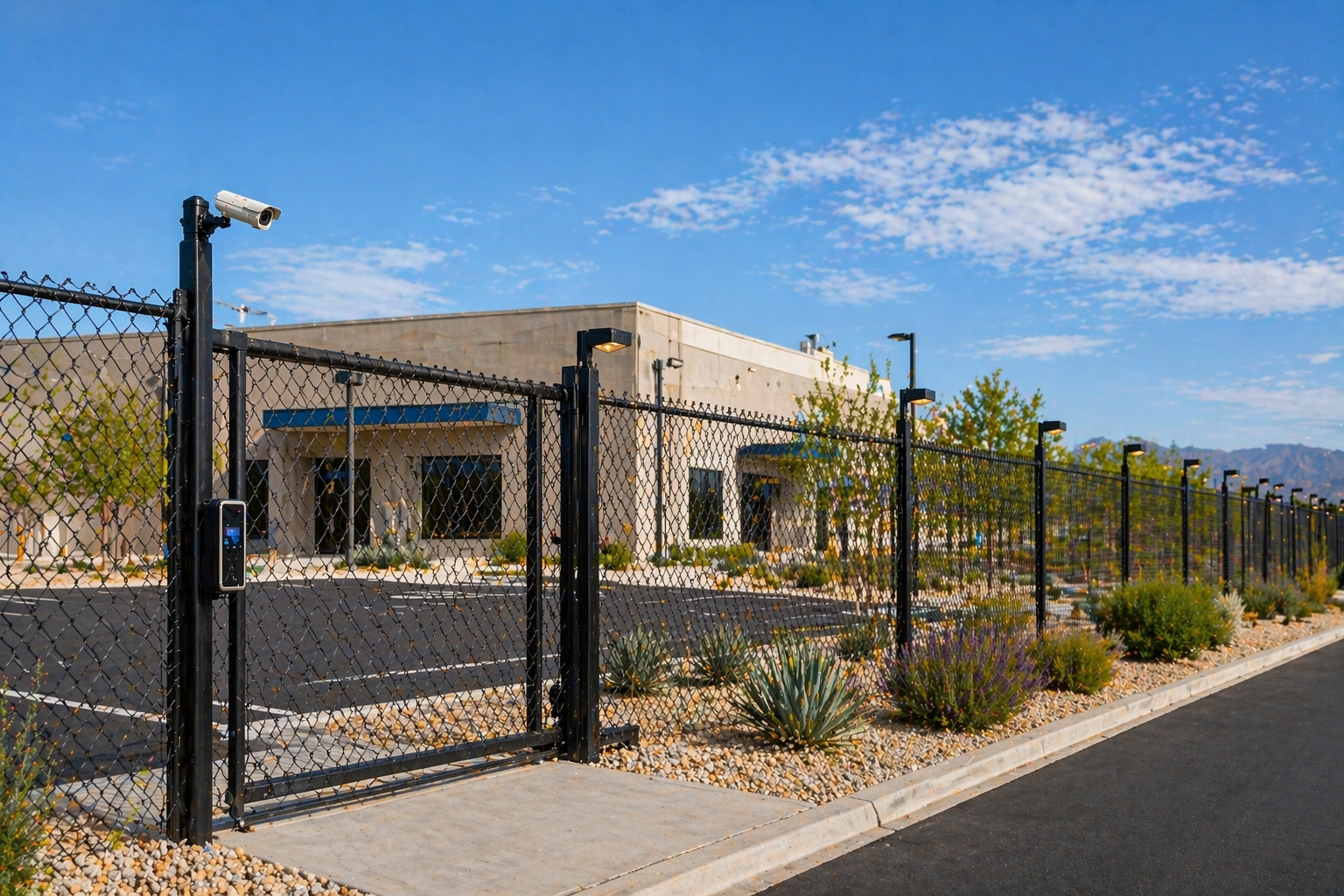
The biggest vulnerability is a fence with nothing behind it. Fences deter casual trespassers, but they are passive barriers. They do not detect movement. They do not alert anyone. They do not capture footage. A fence is only one piece of a complete perimeter strategy, and on its own, it is the weakest one.
Beyond the fence-only problem, these are the most common gaps Wired NM sees at business properties across New Mexico:
- No cameras covering the fence line. If a breach happens at 2am, there is no record of it and no alert.
- Gate access that is not monitored or logged. Anyone who tailgates through an open gate leaves no trace.
- Blind spots near corners, loading docks, and dumpster areas. These are the spots intruders target first.
- No motion-triggered lighting. Darkness is the single biggest advantage an intruder has at night.
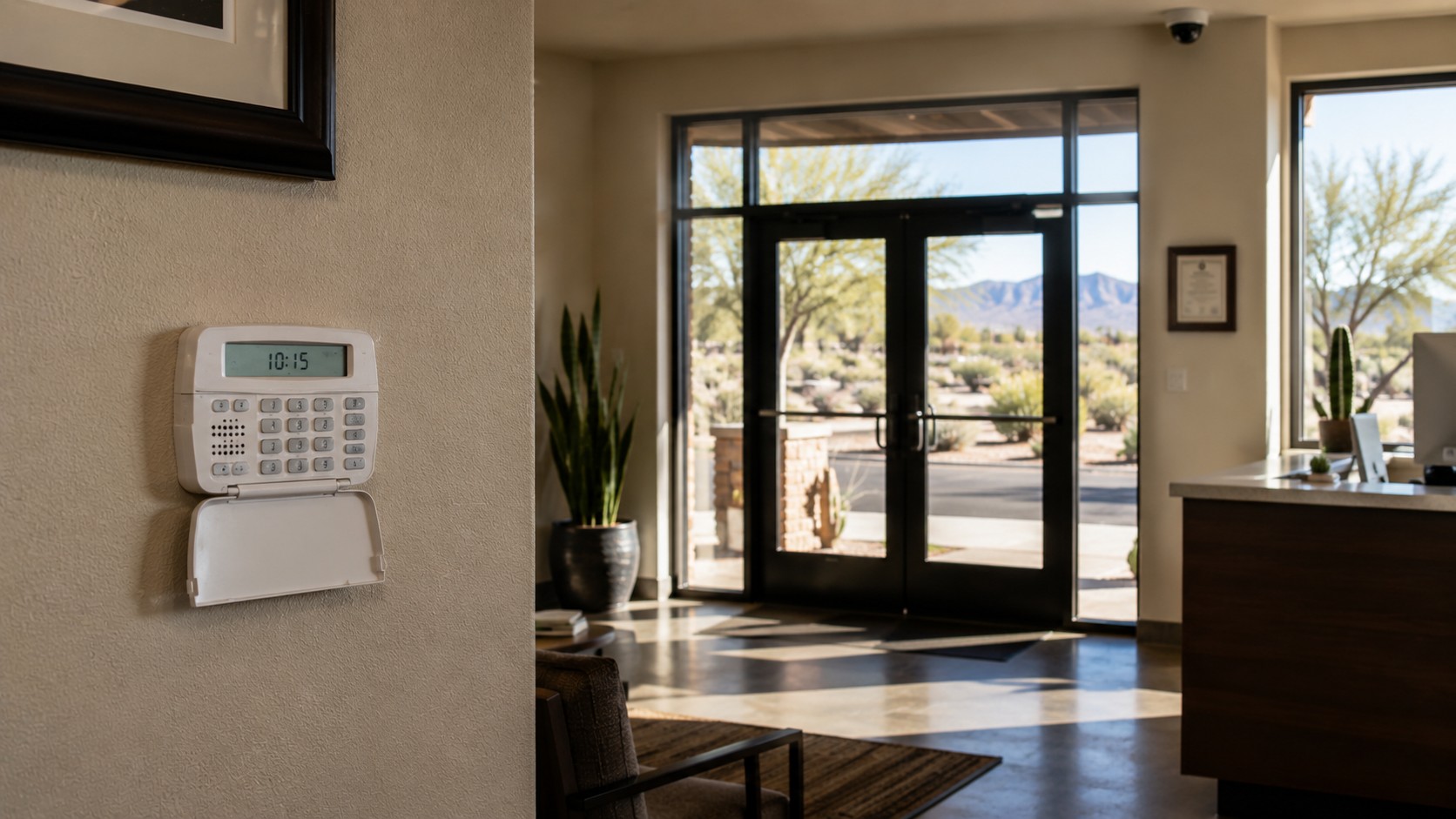
- No alarm monitoring tied to the exterior. Interior alarms only activate after someone is already inside.
- Vegetation blocking sightlines. Bushes, trees, and overgrowth along a fence line give intruders cover to work unseen.
The Security Industry Association notes that no fence is truly breach-proof. Height, material, and topper type all affect how long a fence slows someone down — but none of them stop a planned entry. What stops it is detection and response.
Is a Fence Enough to Secure a Business Property?
No. A fence alone is not enough to secure a business property. Security professionals use a model called "deter, detect, delay, and defend." A fence handles deter and delay. Without cameras, access control, and monitoring, the detect and defend layers are completely missing.
Think about it this way: if someone cuts through your chain link fence at 3am on a Saturday, would you know? Without a camera covering that section of fence and an alarm system tied to it, the answer is no. You would find out Monday morning when you see the damage or discover what was taken. By then, the trail is cold.
A complete perimeter strategy means the fence is the first layer — not the only layer. Each additional layer gives your business a better chance of catching a threat before it becomes a loss.
Why Passive Barriers Fail Without Active Detection
A fence is a passive barrier. It sits in place and waits. It does not alert anyone, record anything, or respond to movement. That is the core problem with relying on a fence alone for perimeter security.
Passive barriers slow people down. Active systems catch them. When a fence has no cameras behind it, no motion lighting, and no alarm tied to the exterior, an intruder has all the time they need to work without anyone knowing. In New Mexico, where property crime rates remain among the highest in the country, that window of undetected time is exactly what criminals count on.
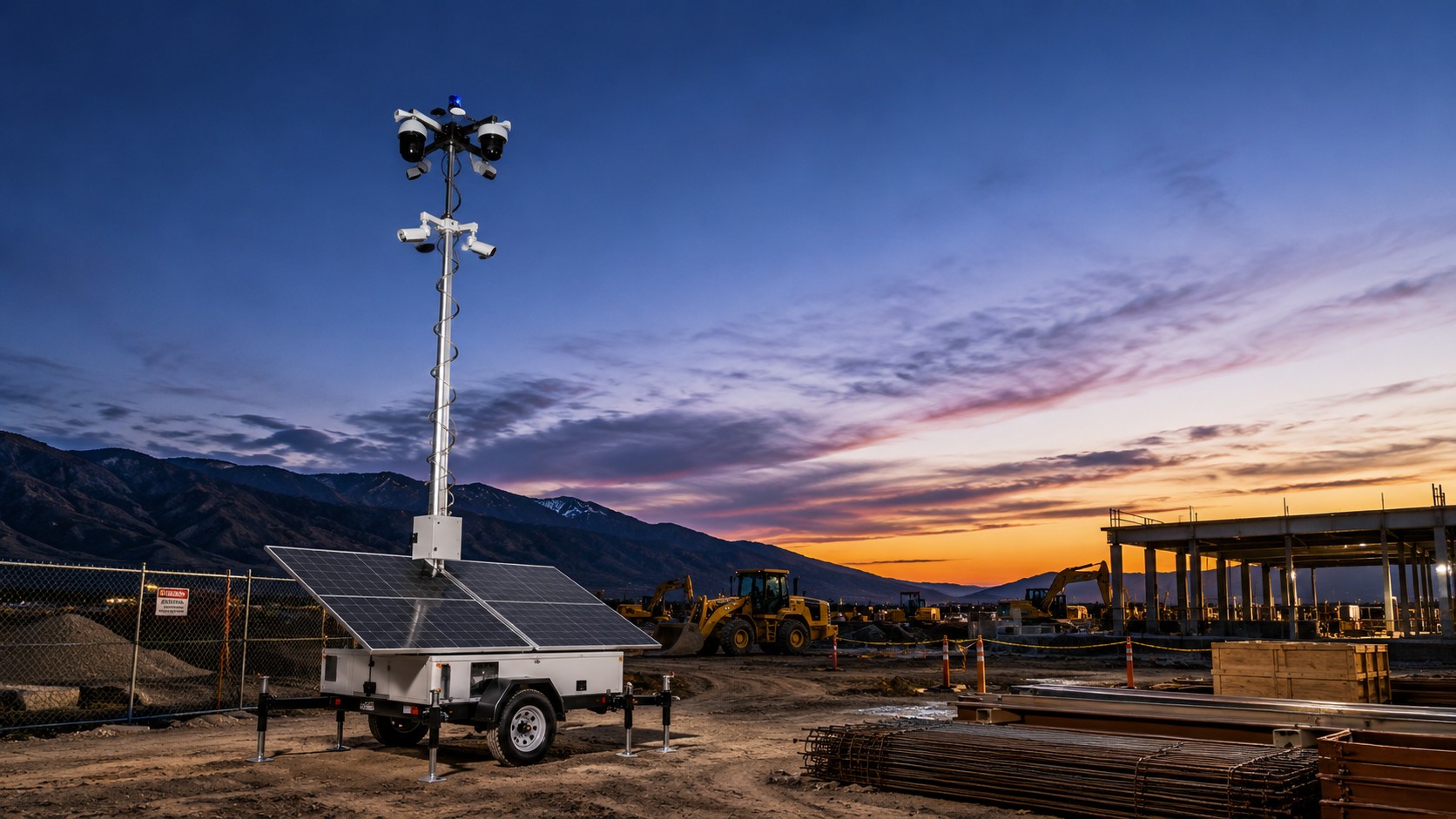
Active detection changes the equation completely. Motion triggers a light. A camera captures footage and sends an alert. A monitoring center dispatches a response. That sequence happens because of the technology behind the fence, not the fence itself.
How Do You Identify Weaknesses in Your Business Perimeter Security?
Identifying perimeter security vulnerabilities starts with a physical walkthrough of your property at night. Walk the full fence line and ask: can I see every section from a camera? Is every gate logged? Are there areas where someone could approach unseen? The spots that feel uncomfortable are usually the spots that need attention first.
A few specific things to check:
- Stand at each corner and look for camera blind spots
- Walk the fence line and check for gaps at the base, especially near water runoff areas where erosion can create space
- Test every gate — does it close and latch completely every time?
- Check whether your cameras cover the full fence line or only the building entrance
- Look for vegetation that could provide cover within 10 feet of the fence
Most business owners discover at least two or three significant gaps during this kind of walkthrough. Additionally, a professional security assessment goes deeper — looking at camera angles, coverage overlap, lighting levels, and how well your access control system logs and restricts gate entry.
What Sits Behind the Fence Line That Actually Stops Crime?
The technology behind your fence line is what turns a boundary into a security system. A fence marks where your property ends. Cameras, access control, and alarm monitoring decide what happens when someone crosses that line.
Here is what needs to sit behind every commercial fence line:
- Cameras with AI detection covering all fence sections, corners, and gate entry points
- Motion-activated lighting that removes the cover of darkness the moment someone approaches
- Logged gate access so every entry is tied to a credential, a timestamp, and an identity
- Exterior alarm monitoring that alerts a response team before an intruder reaches your building
For businesses across Albuquerque and New Mexico, Wired NM's commercial security systems connect your cameras, access control, and alarm monitoring into one coordinated solution — not separate pieces. Each component works with the others so there are no gaps between detection and response.
The Three Mistakes That Turn a Good Fence Into a False Sense of Security
The most common mistake is treating the fence as the security plan rather than the starting point. Businesses invest in a solid fence and assume the job is done. However, that mindset leaves the property exposed in every way that actually matters — detection, evidence, and response.
The second most common mistake is installing cameras that only cover the building entrance. A camera pointed at your front door does not help you if someone is cutting through the back fence. Camera placement needs to map to your actual perimeter, not just your main entrance.
Finally, many businesses skip alarm monitoring on the exterior entirely. Interior alarms activate when someone is already inside your building. Exterior monitoring — tied to cameras and sensors along the fence line — gives you the ability to respond before anyone reaches your door.
Ready to Close the Gaps in Your Perimeter Security?
If your business has a fence but no cameras covering it, no logged gate access, and no exterior alarm monitoring, your perimeter security has significant vulnerabilities. The good news is that each of these layers can be added to what you already have.
Wired NM has been helping New Mexico businesses build complete security systems since 2005. We work with your existing property layout and fence setup to design a layered solution that actually protects your business — not just marks its boundary.
Contact Wired NM today for a free site assessment and find out exactly what your perimeter is missing.